

Imagine waking up to the sound of waves crashing instead of your alarm clock blaring. Becoming a nomad isn’t just a dream for the adventurous spirit; it’s a lifestyle that offers freedom and excitement. With the world as your oyster, who wouldn’t want to trade their cubicle for a hammock on a beach?
Understanding Nomadic Lifestyles
Nomadic lifestyles appeal to those seeking freedom and adventure. The allure stems from leaving behind traditional work environments for more enriching experiences.
What Is a Nomad?
A nomad embodies a person who embraces a life of travel and mobility. Flexibility defines them as they move from one location to another, often working remotely or engaging in community-based projects. Digital nomads utilize technology to enable work from various locations. Some nomads prioritize minimalism, carrying only essential possessions, fostering a lifestyle focused on experiences rather than material goods.
Types of Nomads
Different types of nomads exist, each with unique characteristics. Digital nomads rely on technology to work remotely, often in coffee shops or co-working spaces. Adventure nomads pursue extreme travel experiences, seeking thrills through activities like hiking or rock climbing. Cultural nomads immerse themselves in local customs and traditions, enriching their understanding of different lifestyles. Seasonal nomads move according to climate, such as traveling to warmer areas during winter months. Each type offers distinct perspectives on freedom and exploration.
Practical Steps to Become a Nomad
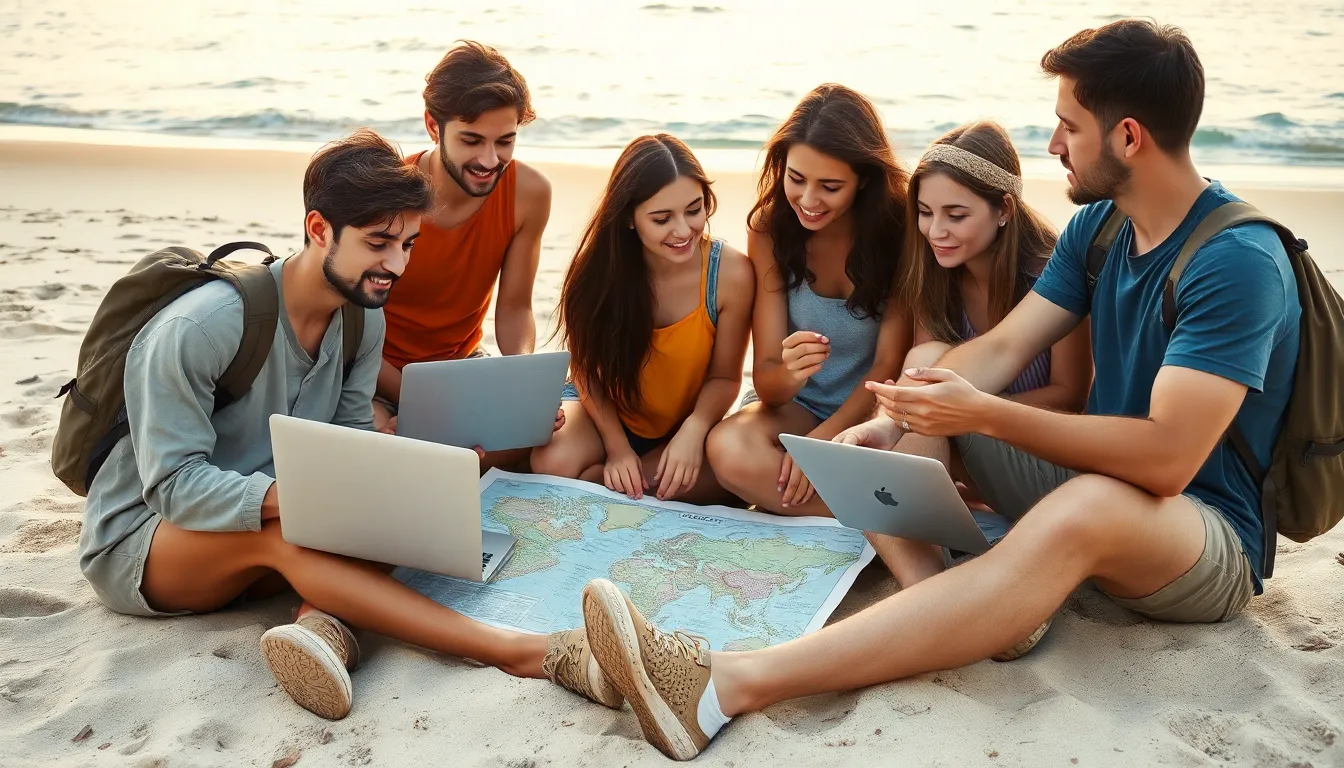
Becoming a nomad involves intentional planning and practical steps. These actions lay the groundwork for a successful transition into a mobile lifestyle.
Assessing Your Current Situation
Evaluate finances and living arrangements. Create a budget that accommodates travel expenses, insurance, and daily living. Additionally, consider the work situation. Remote job options or freelance opportunities support a nomadic lifestyle. Analyze your personal commitments too. Family obligations or property ownership might affect mobility.
Establish your readiness for change. Assess your adaptability to different cultures and environments. Understanding these elements provides clarity about the journey ahead.
Setting Goals for Your Nomadic Journey
Define clear, practical goals. Identify desired destinations that align with personal interests, whether nature, culture, or adventure. Determine how long to stay in each place. Short stints or extended stays present different benefits.
Outline professional goals as well. Consider skill development or networking opportunities that enhance career prospects on the road. Prioritize desired experiences. Cultural immersion or community projects enrich the nomadic lifestyle. Clear goals create a focused path, making the journey purposeful and fulfilling.
Essential Skills for Nomads
Nomads thrive on flexibility and adaptability. Essential skills within this lifestyle empower individuals to confidently navigate new environments.
Budgeting and Financial Management
Budgeting ensures that nomads sustain their journey without running into financial trouble. Tracking expenses helps maintain clarity over spending habits. Setting up an emergency fund serves as a safety net for unforeseen circumstances. Utilizing budgeting apps can simplify the process, allowing nomads to budget in real-time. Prioritizing essential expenses over luxury items facilitates longer travels. Understanding currency exchange rates proves vital when moving between countries. Adjusting to different living costs requires constant vigilance, making financial education indispensable.
Remote Work and Freelancing Opportunities
Remote work creates opportunities for nomads to support themselves while traveling. Identifying in-demand skills enables individuals to tap into various freelancing avenues. Platforms like Upwork and Fiverr offer access to potential clients seeking diverse services. Networking within online communities fosters valuable connections and job leads. Finding companies that embrace remote work is essential for stability. Establishing a strong online presence showcases skills and expertise, attracting clients. Adapting to different time zones demands effective time management, ensuring timely project delivery.
Choosing Your Destination
Choosing the right destination is crucial for a successful nomadic lifestyle. Locations should not only inspire adventure but also accommodate work needs.
Factors to Consider When Selecting Locations
Cost of living significantly impacts budget management. Climate preference influences comfort during travel. Connectivity is vital for remote work, so reliable internet access is non-negotiable. Safety should also rank high; researching crime rates helps ensure a secure stay. Cultural factors, such as language and local customs, can enhance or hinder experiences. Additionally, proximity to amenities, like grocery stores and co-working spaces, facilitates a smoother transition into nomadic life.
Popular Nomadic Destinations
Bali, Indonesia embodies paradise for many nomads, featuring lush landscapes and vibrant culture. Chiang Mai, Thailand attracts digital nomads seeking a low cost of living combined with a strong community. Lisbon, Portugal offers a blend of history and modern amenities, drawing attention for its welcoming atmosphere. Mexico City, Mexico presents a rich cultural scene and diverse neighborhoods that appeal to the adventurous. Tbilisi, Georgia stands out, boasting affordability and a burgeoning expat community. Each destination provides unique opportunities for work, exploration, and connection with like-minded individuals.
Challenges of Nomadic Living
Nomadic living presents unique challenges that individuals must navigate.
Dealing with Loneliness and Isolation
Loneliness can become a significant struggle while traveling. Many nomads find themselves in new cities without familiar faces or support systems. Social media helps connect with fellow travelers or locals, but direct human interaction often provides a deeper sense of belonging. Seeking coworking spaces or local meetups fosters community, breaking the cycle of isolation. Regular communication with friends and family also creates a support network, combating feelings of disconnection. Establishing routines, even in transient lifestyles, bolsters emotional health, grounding nomads in their journeys.
Managing Travel Logistics
Travel logistics often overwhelm new nomads. Finding affordable accommodations requires research and flexibility; platforms like Airbnb or hostels offer various options. Similarly, transportation means vary from local buses to rental cars, depending on the destination’s infrastructure. Nomads benefit from planning itineraries while allowing room for spontaneity. Balancing work schedules with travel demands necessitates effective time management to maintain productivity. Keeping essential documents organized simplifies transitions between locations. Engaging in local cultures enriches experiences and minimizes travel stress, enhancing the overall nomadic adventure.
Embracing a nomadic lifestyle offers a unique blend of freedom and adventure. By prioritizing experiences over material possessions individuals can enrich their lives in ways they never imagined. With careful planning and a willingness to adapt to new environments the journey can be both fulfilling and transformative.
Navigating the challenges of this lifestyle requires effective time management and financial awareness. Building connections through coworking spaces and local communities can help combat feelings of isolation. Ultimately the path to becoming a nomad is about discovering what truly matters and creating a life that aligns with personal values and aspirations.